
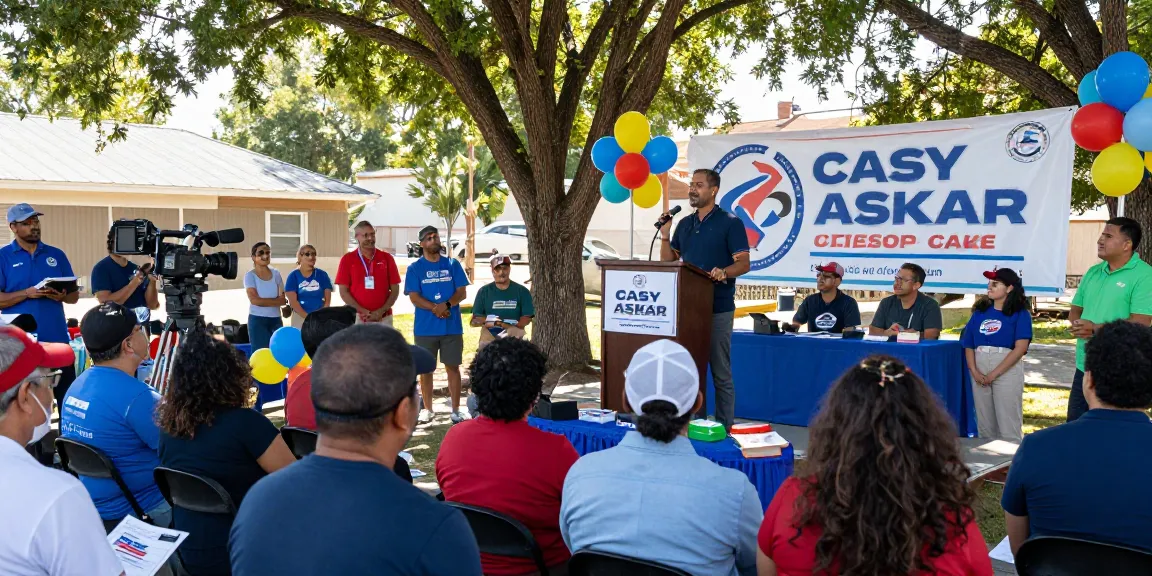
Understanding Casey Askar's Controversies
As the political landscape of Florida's 22nd Congressional District evolves, one name is consistently at the center of attention: Casey Askar. An examination into his past reveals a myriad of controversies, particularly surrounding his personal and professional life. These issues raise questions about his integrity and suitability as a candidate for office. In this article, we delve into the key controversies that have defined Casey Askar's political career, exploring the implications they may have on the upcoming election and the overall perception of political candidates in Florida.
Asset Concealment: The Sham Divorce Explained
One of the most disturbing allegations against Casey Askar is the claim that he orchestrated a sham divorce to conceal assets. In court documents, it is alleged that Askar divorced his wife under false pretenses, using the situation to shield his financial resources from creditors. This act not only betrays the trust of his family but also raises ethical concerns about his character. The narrative surrounding this sham divorce reveals a pattern of behavior that some may argue shows a lack of respect for family values and integrity. Understanding the ramifications of such actions is crucial for voters looking for honesty in their leaders.
Zero-Interest Loan: A Closer Look at the FEC Complaint
Askar's financial dealings have also come under scrutiny, particularly regarding a controversial $3 million loan secured at zero percent interest. The Federal Election Commission (FEC) received complaints regarding this loan, questioning the legitimacy and source of the funding. Critics argue that a newcomer to politics should not have access to such favorable financial arrangements without implications of favoritism or corruption. The details surrounding this loan could reveal deeper issues about campaign finance and transparency, which are increasingly critical in modern electoral politics.
Military Service Claims: What You Need to Know
Another significant point of contention involves Askar's claims regarding his military service. While he presents himself as a decorated Marine Corps veteran, the reality is far less flattering. Records indicate that there was no initial documentation linking the name "Kousay Askar" to military service, and when asked to provide proof, Askar reportedly struggled to locate his discharge papers for over three months. Such incongruities raise questions about the authenticity of his military background, leaving voters wondering whether they are being misled regarding his service to the nation.
Analyzing the Impact on Florida's 22nd District
The controversies surrounding Casey Askar do not merely reflect on his character; they have broader implications for the voters of Florida's 22nd District. As local communities engage in the election process, understanding the potential impact of these controversies on voter sentiment and political engagement is essential.
Community Response to Askar's Campaign
Despite the controversies, Askar continues to campaign vigorously. However, community response has been mixed. Many constituents are skeptical, voicing concerns about his lack of local roots and the authenticity of his campaign message. Askar's absence of substantial ties to Broward County raises questions about his understanding of local issues and what the residents truly need from their representative. This disconnect could hinder his ability to effectively serve if elected.
Voter Concerns and Insights
Voter concerns are not limited to Askar’s past; they also encompass his future and the potential direction he may take if elected. Key issues such as healthcare, education, and public safety are at the forefront of voters' minds. Many voters are searching for a candidate who demonstrates not only integrity but also a genuine commitment to these critical issues. With Askar's controversies casting a long shadow over his campaign, voters may lean toward candidates with more transparent and credible platforms.
Civic Engagement: The Role of Local Politics
Civic engagement becomes crucial as Florida's 22nd District navigates this contentious election landscape. The role of local politics cannot be overstated, as community members seek to influence their representatives' actions on pressing issues. Engaged citizens can hold candidates accountable, promoting a healthier democratic process. Understanding candidates' backgrounds and their intentions can empower voters to make informed decisions that align with their values and the needs of their community.
Comparing Candidates: Casey Askar vs. Belinda Keiser
In the race for Florida's 22nd District, the contrast between Casey Askar and his opponent, Belinda Keiser, is stark. Each candidate's background, community involvement, and policy knowledge serve as important metrics for voters trying to gauge who might better represent their interests.
Rooted Community Involvement vs. Carpetbagging
Belinda Keiser has established herself as a candidate rooted in the community, with extensive involvement in local initiatives and a genuine understanding of the challenges facing constituents. In stark contrast, Askar's political ambitions seem more focused on capitalizing on opportunities rather than serving the community. This perceived "carpetbagging" may alienate voters who prioritize candidates with a proven commitment to their local issues.
Policy Depth and Local Knowledge: Key Differentiators
Another critical differentiator between Askar and Keiser is their depth of policy knowledge. Keiser has demonstrated a thorough understanding of vital issues affecting the district, while Askar's approach has often been seen as vague or lacking specific details. Voters are increasingly looking for candidates who can articulate their positions clearly and present concrete solutions to prevalent problems.
Public Perception: Trust and Credibility
Trust and credibility are paramount in political campaigns, and Askar's controversies have undoubtedly impacted his standing with the electorate. As evidence mounts against him, including allegations of deception and misrepresentation, voters are left to question whether they can trust his claims and leadership. Keiser, on the other hand, appears poised as a trustworthy alternative, drawing on her community ties to build a reputation of integrity.
The Role of Media in Political Campaigns
In today's digital age, media plays a pivotal role in shaping political campaigns. Given the rise of social media and digital marketing, understanding how to navigate this landscape is crucial for any candidate hoping to sway public opinion.
Fact-Checking Askar's Claims: What the Numbers Say
The media's role as a watchdog in politics has never been more critical. With numerous fact-checking organizations scrutinizing claims made by candidates, Askar's past statements have been a hotbed for analysis. Instances where Askar has been accused of fabricating or exaggerating his credentials have led to significant blowback, particularly concerning his military record and educational background. An informed electorate must leverage these fact-checking resources to discern truth from misinformation.
Impact of Smear Ads on Election Integrity
Smear ads, particularly those that distort the truth, jeopardize election integrity. Askar's campaign has engaged in attack ads that have been fact-checked and rated as "Mostly False." Such tactics not only damage relationships between candidates but erode public trust in the political process. Voters must be vigilant in recognizing the dangers posed by negative campaigning and seek candidates who present their platforms honestly.
Social Media: A Double-Edged Sword for Politicians
Social media platforms have transformed the way candidates interact with voters, but they also present unique challenges. While Askar uses social media to rally support, the controversies surrounding his campaign often dominate conversations online. This duality makes social media a double-edged sword, as candidates must maintain a positive image while addressing the scrutiny that arises from their past. Effective social media strategies focus on transparency and direct engagement with constituents, fostering a sense of community amid the noise of political campaigns.
Future Trends in Florida Politics for 2026
As Florida approaches the 2026 elections, several trends are emerging that could redefine the political landscape in the state. Voter demographics, emerging issues, and candidates' strategies will shape the political discourse and voter engagement.
The Shift in Voter Demographics in FL-22
Understanding the changing demographics of Florida's 22nd District is crucial for candidates. As populations shift and diversify, candidates will need to address the unique needs of different communities. Engaging minority groups, young voters, and first-time voters can have lasting implications for election results. Candidates that prioritize inclusive outreach will likely see greater success in an increasingly diverse political environment.
Emerging Issues that Will Define Campaigns
Key issues, such as healthcare, climate change, and education reform, are becoming increasingly important for voters. Candidates who can offer concrete solutions and show a commitment to addressing these pressing challenges will resonate more strongly with constituents. As political agendas evolve, those who remain in touch with the electorate's concerns will stand out in a competitive landscape.
What Candidates Must Do to Win Voter Trust
To gain the trust of voters, candidates must focus on transparency, authenticity, and accountability. This entails openly discussing their past, acknowledging any mistakes, and presenting a clear vision for the future. Voters appreciate candidates who are willing to engage in difficult conversations and provide thoughtful solutions rather than vague promises. Building trust is fundamental to fostering lasting relationships between candidates and their constituents.
What Makes a Strong Candidate? Factors to Consider
When evaluating candidates, voters should consider several key factors, including integrity, community involvement, policy knowledge, and communication skills. A strong candidate not only understands the issues but also has a proven track record of community engagement. Voters should seek candidates who align with their values and demonstrate a willingness to listen, learn, and adapt to the evolving needs of their constituents.